

-
Vermiculite Insulation in the Attic: What Canadian Homebuyers Need to Know
If you are buying an older Canadian home, there is a hidden material in many attics that most buyers have never heard of. It looks harmless. It looks almost decorative. And it might contain asbestos.
It is called vermiculite, and during a recent inspection in an older home, I found a thick layer of it sitting under newer insulation. The newer cellulose on top hid it completely. Without lifting that layer, no buyer would have known it was there.
This is exactly the kind of issue that gets missed when an inspection only scratches the surface. Here is what every homebuyer should understand about vermiculite insulation, the asbestos risk, and what to do if you find it.
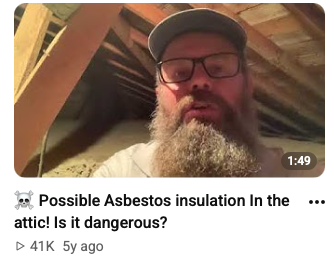
Watch the Inspection
https://www.youtube.com/watch?v=uQ-UftkXo44
Key Issues Found in This Inspection
- Vermiculite insulation discovered as the original attic insulation
- Newer cellulose insulation layered on top, hiding the older material
- Vermiculite of this era (1950s to late 1970s) was commonly sold in Canada under the brand name Zonolite
- This material may contain asbestos fibers
- It only becomes a respiratory hazard when disturbed
- Asbestos was used in many building products in homes built before the 1990s
What is Vermiculite Insulation?
Vermiculite is a naturally occurring mineral that was popular as attic insulation from the 1950s through the late 1970s. It looks like small, shiny, silvery or grey pebbles. When you see it loose in an attic, it almost looks like crushed stone or aquarium gravel.
The problem is not the vermiculite itself. The problem is where most North American vermiculite came from.
A large percentage of vermiculite sold in Canada (most often under the brand name Zonolite) was mined at a site in Libby, Montana that was contaminated with asbestos. That means a significant portion of the vermiculite installed in Canadian homes during that era contains asbestos fibers.
You cannot tell if a particular batch contains asbestos just by looking at it. The only way to know for sure is laboratory testing.
Why Vermiculite Insulation Matters for Homebuyers
Here is the part most people get wrong: vermiculite that is sealed in the attic and left undisturbed is generally not an immediate health risk. The danger comes when the fibers become airborne.
That happens when:
- Someone enters the attic and walks through the insulation
- A renovation disturbs the ceiling below
- New light fixtures, fans, or pot lights are installed
- New wiring is run through the attic
- Anyone tries to remove or top up the insulation
- A roof leak gets repaired from inside the attic
Once those fibers are in the air, they can be inhaled. Long-term exposure to asbestos fibers is linked to serious lung diseases, including mesothelioma and asbestosis.
The other problem for buyers is cost. If the vermiculite needs to be removed, this is not a job a homeowner can do. Asbestos abatement requires certified professionals, full containment, specialized disposal, and air quality testing. Costs can run into thousands of dollars depending on the size of the attic. Older homes with vermiculite often have other hidden issues too, like outdated knob and tube wiring or aluminum wiring from the 1960s and 70s.
What This Means for You as a Buyer
Vermiculite insulation in the attic is not always a deal breaker. But it is something you need to know about before you close.
Here is the practical reality:
- If you have no plans to renovate, add lighting, run new wiring, or insulate the attic further, the material can stay in place.
- If you are planning any work that touches the attic or the ceiling below, you will need to budget for testing and possibly abatement before any contractor touches the space.
- Some insurance providers ask about asbestos materials, and disclosure may affect your policy.
The worst outcome is buying a home, planning a renovation a year later, and discovering you cannot move forward without spending thousands on abatement first. That is the kind of surprise a thorough inspection helps you avoid.
What to Look For in an Older Home
Use this checklist when viewing or inspecting a home built before 1990:
- Silver, shiny, or grey pebble-like flakes in the attic
- Layers of newer insulation that appear to cover an older material underneath
- A home built between the 1950s and the late 1970s
- An attic that has not been renovated or re-insulated in decades
- Any bags or packaging in storage areas with the brand name Zonolite
If any of these are present, do not disturb the material. Have it tested by a qualified professional before any work is done.
FAQ: Vermiculite and Asbestos in Canadian Homes
How do I know if my attic insulation contains asbestos?
You cannot confirm asbestos by sight alone. Vermiculite that is silvery, pebble-like, and present in a home built between the 1950s and late 1970s should be treated as suspect. The only way to confirm is laboratory testing of a sample taken by a qualified professional.
Is vermiculite insulation dangerous if I leave it alone?
When undisturbed and sealed away in an attic, vermiculite does not typically pose an immediate health risk. The danger arises when the material is moved, walked on, or disturbed during renovations, which can release asbestos fibers into the air.
Should I buy a house with vermiculite insulation?
It depends on your renovation plans and budget. If you are not planning attic work, the material can often stay safely in place. If you plan to renovate, add lighting, or improve insulation, factor in the cost of testing and possible abatement before deciding.
How much does asbestos attic insulation removal cost?
Costs vary widely based on attic size, accessibility, and local rates. In Canada, professional asbestos abatement for an attic typically runs into the thousands, sometimes more for larger or harder-to-access homes. Always get multiple quotes from licensed abatement contractors.
What years were homes most likely insulated with vermiculite?
Vermiculite insulation, especially Zonolite, was widely sold in Canada from the 1950s through the late 1970s. Homes built or renovated in this period are the most likely to have it.
Final Thoughts
Vermiculite is one of those issues that most buyers never see because it sits under layers of newer insulation, in a part of the home no one looks at. It is also one of those issues that a fast, surface-level inspection misses entirely.
When I inspect an older home, the attic gets the same attention as the foundation. If something is hiding up there, you deserve to know before you sign.
If you are buying an older home in Canada and want an inspection that actually goes deep, get in touch. I work for you, not the deal.
Book Your Inspection
If you are looking at an older home and want a clear, honest answer about what is in the attic and the rest of the house, book an inspection with HAT Property Inspections.