


-
Knob and Tube Wiring: Why Buyers Should Worry About Old Electrical Systems
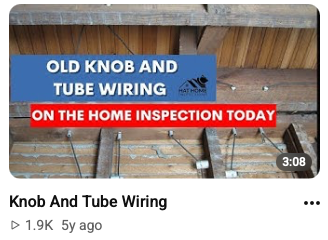
If you are looking at a home built before 1950, there is a serious electrical issue you need to ask about before you make an offer. It is called knob and tube wiring, and it is one of the biggest red flags in older Canadian homes.
During a recent inspection in a 1911 home, I found active knob and tube wiring still feeding circuits inside the walls. No grounding. No clear way to know how much was still in use. Spliced into newer wiring in places. This is exactly the kind of system that creates fire risk, electrocution risk, and insurance headaches all at once.
Here is what every buyer needs to know.
Watch the Inspection
https://www.youtube.com/watch?v=nlU3eqMBfTY
Key Issues Found in This Inspection
- An original 1911 home with active knob and tube wiring still feeding circuits
- No grounding conductor in the system
- Old wiring spliced into newer wiring (mixing old and new in the same circuits)
- Wires running directly along wood joists (a fire hazard)
- Unknown how much of the home still relies on knob and tube hidden in the walls
What is Knob and Tube Wiring?
Knob and tube wiring is an early 1900s electrical system that was standard in North American homes from roughly 1880 to the 1940s. It uses ceramic knobs to support insulated wires along framing and ceramic tubes to protect the wires where they pass through wood.
The system has two key features that made it work for its time:
- The hot and neutral wires run separately, often a few inches apart
- The wires were designed to be open in air, not buried inside walls or insulation
That second point is the big problem today.
When knob and tube was installed, the walls were empty. There was no blown-in insulation, no fiberglass batts, no spray foam. Modern insulation packed around old knob and tube wiring traps heat that the system was never designed to handle, and that creates a real fire risk.
There is also no ground wire. Knob and tube is a two-wire system, which means there is no path to safely discharge electrical faults. Plug in a modern appliance and a fault can travel through you instead of to ground.
Why Knob and Tube Wiring Matters for Homebuyers
There are three big concerns:
1. Fire risk
Knob and tube was not built for modern electrical loads or modern insulation practices. When circuits get overloaded, or when insulation traps heat, the old wiring can ignite the surrounding wood framing.
2. Electrocution risk
The lack of grounding means modern surge-prone appliances, computers, and high-load tools are running on a system that cannot safely handle electrical faults.
3. Insurance refusal
Many Canadian insurance companies will not cover a home with active knob and tube wiring. Some will, but only with a full electrical inspection and certification, and often at a higher premium. This is one of the most important things to confirm before you close.
What This Means for You as a Buyer
Knob and tube is not always a deal breaker, but you have to plan for it.
Here is what to do if you find it:
- Get an electrician's quote for a full rewire during the inspection period
- Contact insurance providers before closing to confirm coverage
- Ask whether knob and tube is still active or has been disconnected
- Check if past renovations added insulation around old wiring (a hidden fire hazard)
- Factor the repair cost into your offer
A full electrical replacement on an older home, including the panel, service mast, service conductors, and all branch wiring, is a major investment. Costs can run $10,000 or more depending on the size and complexity of the home.
For another wiring issue common in slightly newer homes, see our post on aluminum wiring.
What to Look For in an Older Home
Use this checklist when viewing or inspecting a home built before 1950:
- A home built before 1950, especially before 1940
- Visible ceramic knobs and tubes in the basement, attic, or unfinished spaces
- Two-prong outlets throughout the home (a sign there is no grounding)
- Old and new wiring spliced together inside junction boxes
- No grounding wires connected at the electrical panel
- Modern insulation packed around old wiring runs
If any of these show up, treat the home's electrical system as a major item that needs full assessment before purchase. Older homes often have other hidden issues that go beyond electrical, like vermiculite insulation in the attic or an aging gas furnace.
FAQ: Knob and Tube Wiring in Canadian Homes
Is knob and tube wiring still safe to use?
Knob and tube can technically be safe in very limited cases, but in most modern homes it is not. The lack of grounding, age of insulation, and use of modern high-load appliances make it unsafe for the way we live today. Most experts and insurance providers recommend replacement.
Can I get insurance with knob and tube wiring?
In Canada, many insurance companies refuse to cover homes with active knob and tube wiring. Others will cover the home only after a licensed electrician has inspected it and certified the system, often at higher premium rates. Always confirm with your insurer before making an offer.
How much does it cost to replace knob and tube wiring?
A full electrical upgrade on an older Canadian home, including a new panel, service mast, service conductors, and rewiring of branch circuits, often costs $10,000 or more. Final cost depends on the home's size, accessibility, and how much of the wiring is buried in finished walls.
Should I buy a house with knob and tube wiring?
It depends on your budget, your insurance options, and your willingness to take on a major electrical project. If the seller has already replaced the knob and tube, ask for documentation. If it is still active, treat it as a major repair item in your decision.
How do I know if my house has knob and tube wiring?
Look in the basement, attic, and any unfinished spaces for the white ceramic knobs and tubes that hold the wiring in place. Two-prong outlets throughout the home, no grounding wires at the panel, and old cloth-covered wires are also strong indicators. A licensed electrician or qualified home inspector can confirm what is still active.
Final Thoughts
Knob and tube is one of the issues that separates a thorough home inspection from a fast one. It often hides inside walls, gets partially replaced over the years, and leaves buyers guessing about what is still live and what has been disconnected.
When I inspect an older home, I trace what I can, document what I see, and give you the full picture, not a soft answer designed to keep the deal moving.
If you are buying a pre-1950 home in Canada and want an inspection that takes electrical issues seriously, get in touch. I work for you, not the deal.
Book Your Inspection
Looking at an older home with original wiring? Book an inspection with HAT Property Inspections and get a clear, honest answer about what you are walking into.